 Digest
Let's find out exactly
what's happening
Start by telling us where you feel it. We'll route you to the right physician and the right explanation — no jargon, no guesswork.
Tap the area where you feel it
Or select a region:
Six conditions, fully mapped
Each panel is a mini-consultation — a named physician, plain language, and the full path from what it is to how it's treated. Open as many or as few as you need.
When acid becomes architecture — building damage in the esophagus over years
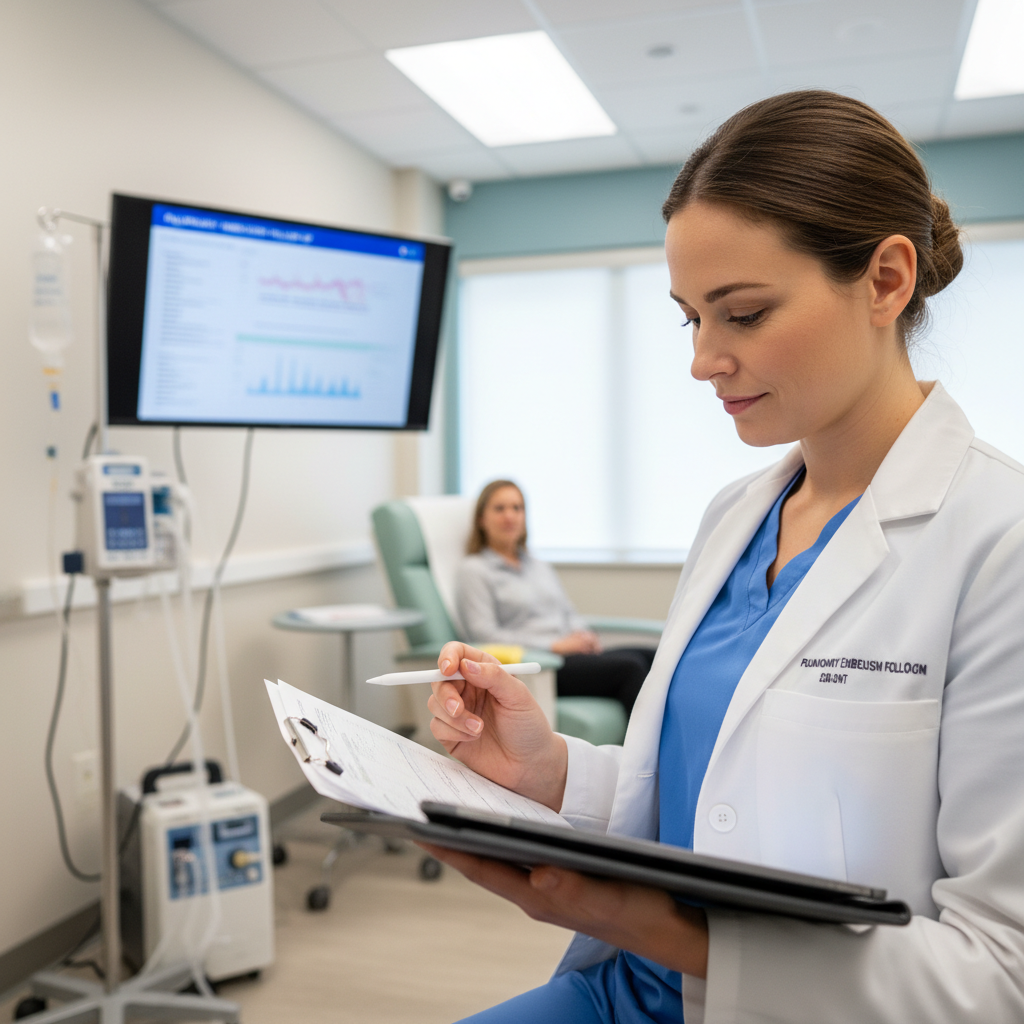
Dr. Elena Vasquez
Esophageal & Motility Specialist
“Most patients live with reflux for years before realizing the esophagus is quietly remodeling itself. A 20-minute scope changes everything they thought they knew about their symptoms.”
Gastroesophageal reflux disease occurs when the lower esophageal sphincter — the valve between your esophagus and stomach — relaxes at the wrong moment, allowing stomach acid to travel upward. That familiar burn climbing from your chest toward your throat isn't just discomfort. Over months and years, repeated acid exposure erodes the esophageal lining, causing inflammation (esophagitis) and, in some cases, cellular changes that require monitoring. The condition is extremely common — affecting roughly 20% of Western adults — but that prevalence shouldn't mask its potential for progression.
The esophagus rewriting its own cellular code — a change we catch before it writes the wrong chapter

Dr. James Okafor
Senior Gastroenterologist
“Barrett's is the condition that rewards vigilance. Found early, managed correctly, the vast majority of patients never progress to cancer. The surveillance protocol isn't a burden — it's a guarantee.”
Barrett's esophagus is a condition in which the normal squamous cells lining the esophagus are replaced by intestinal-type columnar cells — a process called intestinal metaplasia. This cellular shift is the body's maladaptive response to chronic acid exposure. It affects approximately 10–15% of patients with long-standing GERD. While Barrett's itself causes no additional symptoms beyond reflux, it carries a small but meaningful increased risk of esophageal adenocarcinoma, which is why structured surveillance is the cornerstone of management.
An immune system that mistakes the gut for a battlefield — and keeps fighting long after the threat is gone

Dr. Priya Nair
IBD & Inflammatory Disease Specialist
“The patients who do best with Crohn's are the ones who understand it deeply. When you know what's happening at the mucosal level, you become a better advocate for your own care. That knowledge is part of the treatment.”
Crohn's disease is a chronic inflammatory bowel disease that can affect any segment of the gastrointestinal tract from mouth to anus, though it most commonly targets the terminal ileum (the last section of the small intestine) and the colon. Unlike ulcerative colitis, Crohn's inflammation penetrates the full thickness of the bowel wall, which is why it can produce fistulas (abnormal connections between organs), strictures (narrowings), and abscesses. The disease follows a relapsing-remitting course — periods of active inflammation alternate with remission. Fatigue, weight loss, and nutritional deficiencies are common companions.
Inflammation that starts at the rectum and marches upstream — a condition that responds beautifully to the right target

Dr. Marcus Webb
Colorectal & IBD Specialist
“Ulcerative colitis is one of the conditions where we've seen the most dramatic therapeutic advances in the last decade. Patients who couldn't leave the house now run marathons. The biologics have changed the landscape entirely.”
Ulcerative colitis is a chronic inflammatory bowel disease confined to the colon and rectum. Unlike Crohn's, it involves only the innermost lining of the bowel wall (mucosa) and progresses continuously from the rectum upward — it doesn't skip segments. The hallmark symptoms are bloody diarrhea, urgency (the sudden, compelling need to defecate), and crampy lower abdominal pain. Severity ranges from proctitis (limited to the rectum) to pancolitis (involving the entire colon). Long-standing pancolitis carries an increased risk of colorectal cancer, which is managed through scheduled surveillance colonoscopies.
The silent progression — fat in the liver that causes no symptoms until it causes everything

Dr. Sofia Reyes
Hepatology & Liver Disease Specialist
“Fatty liver disease is the most common liver condition in the world, and most people with it have no idea. By the time symptoms appear, we're often dealing with cirrhosis. Catching it at the steatosis stage is where we can make the most difference.”
Metabolic-associated fatty liver disease (MASLD, formerly NAFLD) is the accumulation of excess fat in liver cells in the absence of significant alcohol use. It exists on a spectrum: simple steatosis (fat accumulation without inflammation) is benign and reversible, but in 10–20% of patients it progresses to steatohepatitis (MASH) — where inflammation and liver cell injury occur. Left unmanaged, MASH can progress to fibrosis, cirrhosis, and liver failure. It is now the leading cause of liver transplantation in the United States. The condition is closely linked to obesity, type 2 diabetes, and metabolic syndrome.
What actually happensin the room
Most anxiety about endoscopy is uncertainty. Here is exactly what to expect, from the prep solution the night before to the results conversation on the way out.
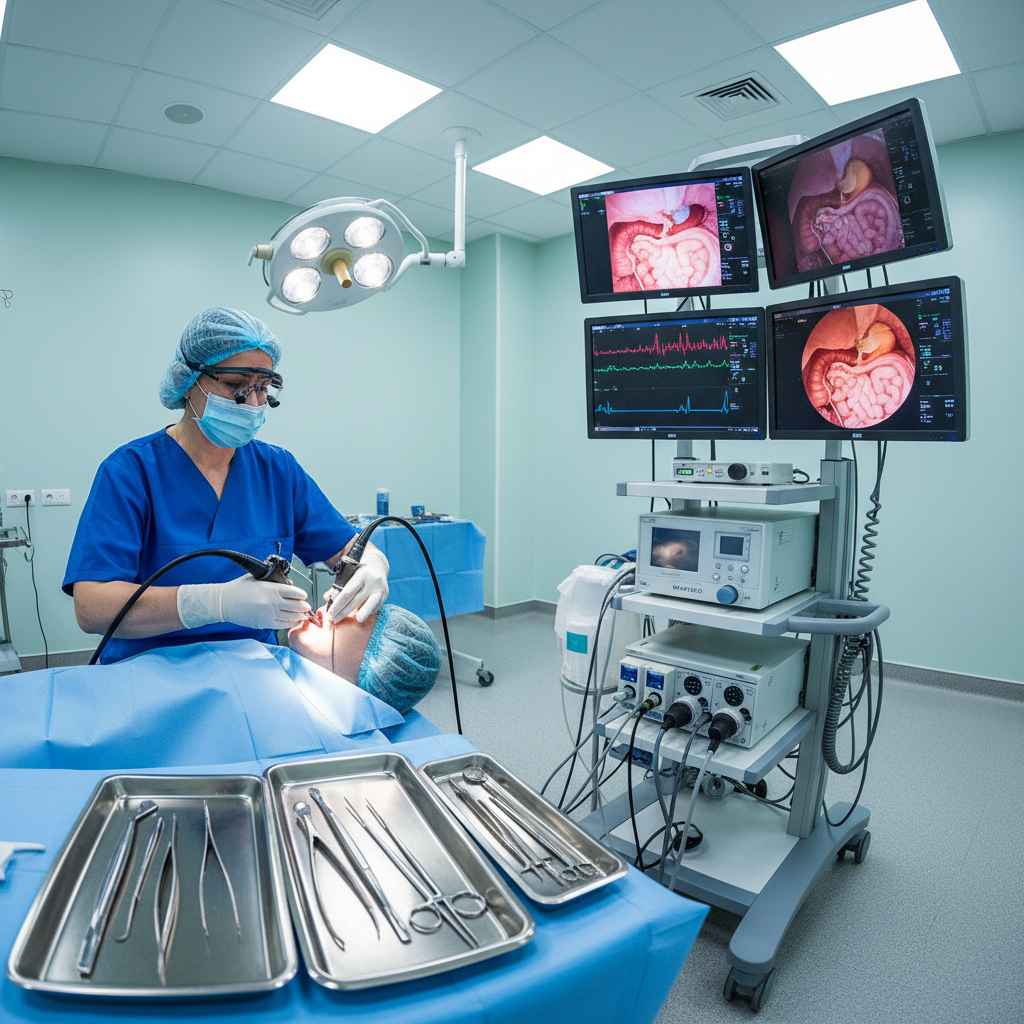
Inside the procedure room
Demystifying the scope
Your GP refers or you self-refer
Most patients arrive via a GP referral, but self-referral is welcome. You'll complete a detailed symptom questionnaire online — 10 minutes, plain language, no medical training required.
Pre-procedure preparation
For colonoscopy: a bowel preparation solution the evening before clears the colon. For upper endoscopy: fast from midnight. We send prep instructions by text, with a nurse available to answer questions.
Arrival and sedation
You arrive, change into a gown, and meet your proceduralist. A mild IV sedative (propofol or midazolam) is administered. Within 60 seconds you're comfortable and relaxed — most patients remember nothing.
The scope — what actually happens
A thin, flexible camera 1cm in diameter travels through the GI tract. You feel no pain. The physician examines the lining in real time on a high-definition monitor. Biopsies, if needed, take 30 seconds and are painless.
Recovery and results
You recover in a comfortable bay for 30–60 minutes while sedation clears. The physician discusses preliminary findings with you before you leave. Written results and next steps arrive within 48 hours.
Common question:
“Will I be awake during the colonoscopy?”
The sedation used in modern endoscopy is deep enough that the vast majority of patients have no memory of the procedure and feel no discomfort. This is not general anesthesia — you breathe independently — but it is far beyond the light sedation of a dental procedure.
What patients say after
Diagnostic clarity changes the relationship between a patient and their condition. These are the outcomes that follow.
Procedures performed annually
Colonoscopies, endoscopies, and advanced diagnostics
Diagnostic yield
Actionable findings in symptomatic patients
Core specialty areas
From esophagus to liver, mapped in full
Results turnaround
Written findings and next steps within 24 hours
“I'd been told 'it's probably stress' for three years. Dr. Nair found a stricture in my terminal ileum on the first colonoscopy. Within six weeks I had a diagnosis and a treatment plan. That consultation changed the trajectory of my health.”
Catherine M.
Diagnosed with Crohn's Disease
“My GP sent me a link to the Digest conditions page and said 'read the GERD section before your appointment.' I walked in already understanding what Barrett's esophagus was. The appointment felt like a second opinion from someone who'd already read my chart.”
David T.
GERD & Barrett's Surveillance Patient
“As a PCP, I need resources I can actually send to patients. The condition guides are written at the right level — thorough enough to be useful, clear enough that my patients don't panic. I've sent the fatty liver guide to at least 40 patients.”
Dr. Amara Osei
General Practitioner, Referring Physician
Affiliated with
The consultation that changes the picture
You've read the explanation. You understand what's possible. The next step is a 45-minute consultation with a named gastroenterologist who will look at your specific history and tell you exactly what's happening.
No referral required for initial consultation · Most major insurances accepted
Ready to understand what's happening?